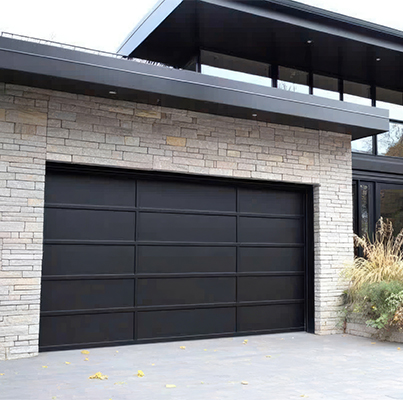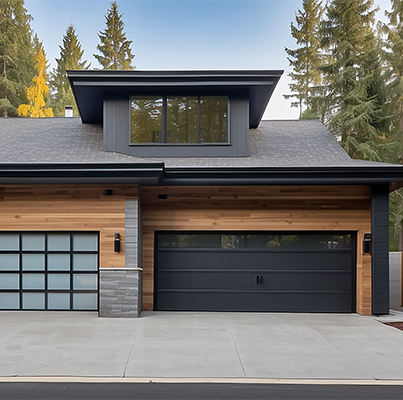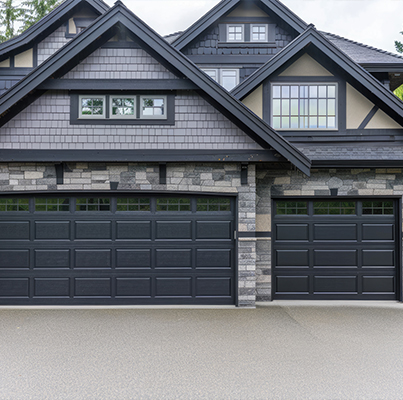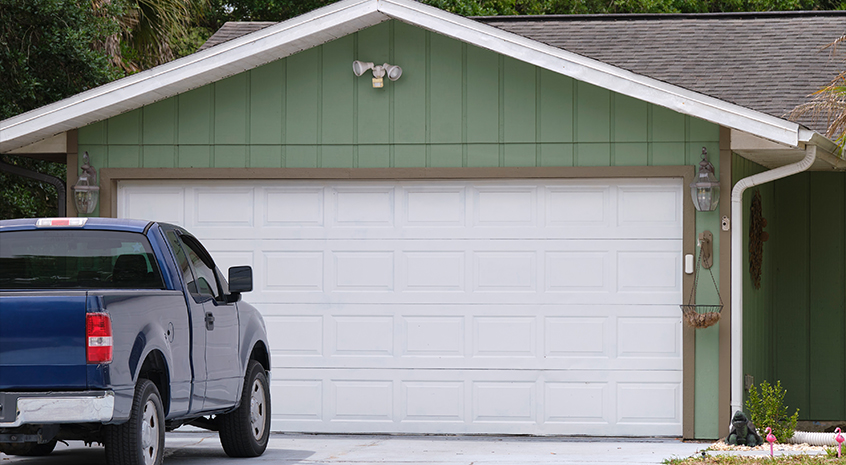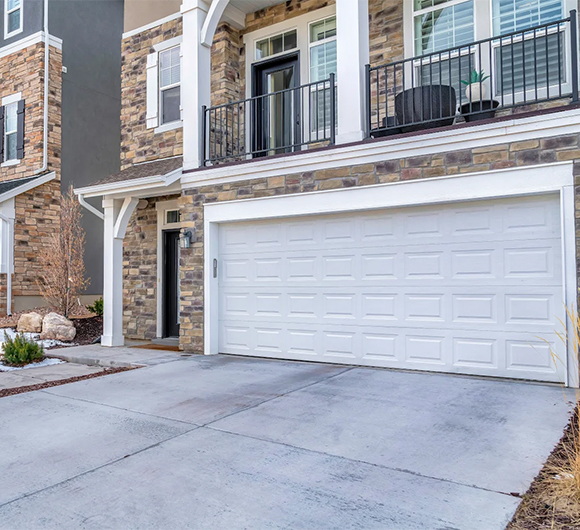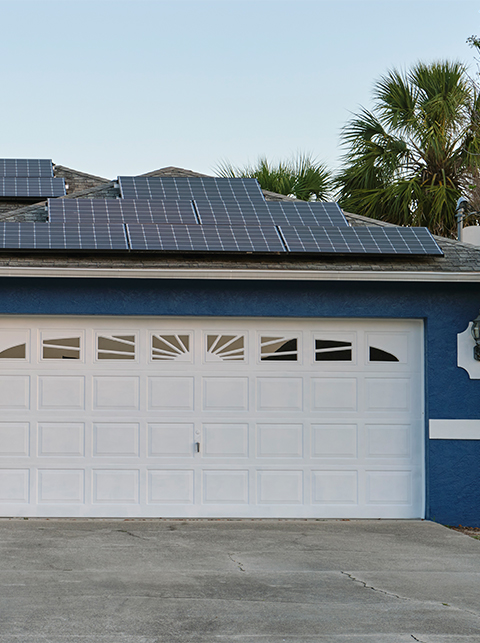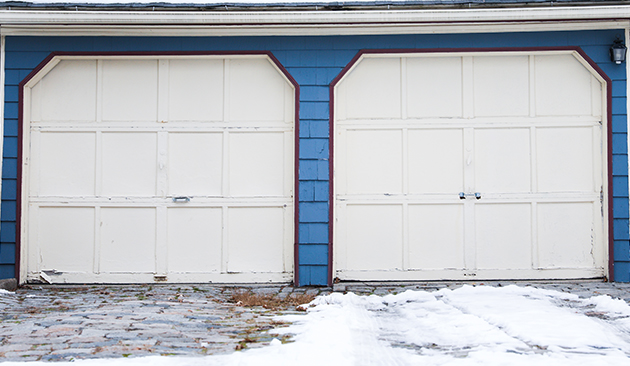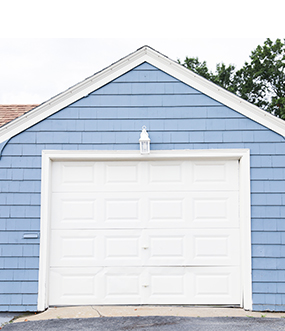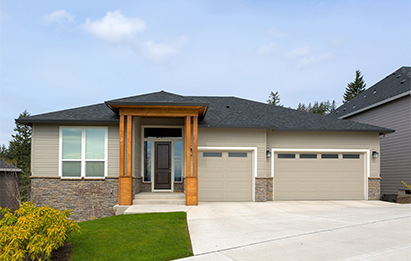
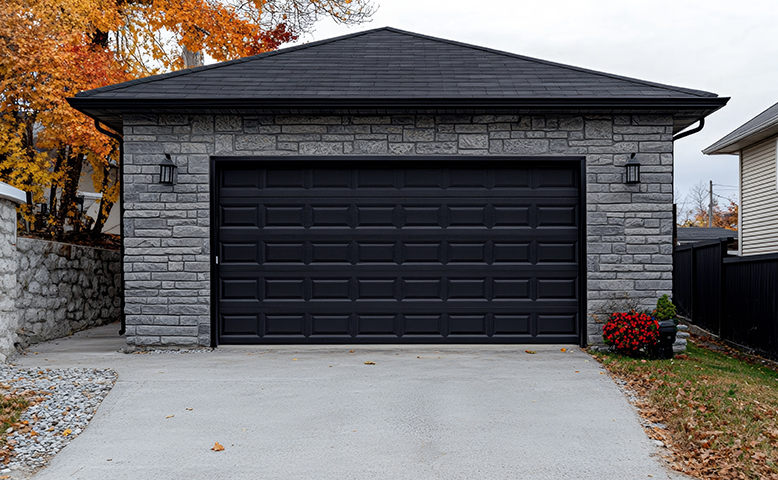
A garage heats up fast for a few clear reasons. First, it usually has less insulation than the rest of your home. Second, it often has limited airflow. Third, the garage door faces direct sun and acts like a giant heat panel. If your door is steel and not insulated, it can get very hot to the touch. That surface heat then moves inside.
You may also add heat without noticing it. Parking a warm car inside releases stored engine heat for a long time. Concrete floors hold heat too, then release it slowly into the evening. That’s why garages can stay hot even after sunset. The goal isn’t to make the garage “cold.” It’s slow to heat gain, so it doesn’t spike so hard during peak hours.
How Insulation Slows Heat Through The Door
Insulation works like a speed bump for heat. It doesn’t block heat forever, but it makes heat travel more slowly. That matters during a heat wave because the worst heat often lasts a few hours in the afternoon. If you can slow the heat coming through the door, the inside temperature rises less and feels more manageable.
A term you’ll see a lot is R-value. R-value is a rating that shows how well a material resists heat flow. A higher R-value usually means better resistance. For many homes, even a mid-range R-value on a big garage door can make a noticeable change because the door is such a large area.
Two practical points make insulation work better:
- Coverage: If insulation leaves gaps around the edges of each panel, heat sneaks through those spots.
- Fit: A snug fit inside panel frames helps prevent sagging and hot pockets.
Reflective layers (often foil-faced) can also help with sun-driven heat because they reduce radiant heat transfer. They work best when installed the right way for your door style and when the surface stays clean and intact.
Picking Materials That Match Your Door Type
Not every garage door takes insulation the same way. Door style matters because of panel depth, bracing bars, and how the door flexes as it moves. Choosing a material that fits your door reduces problems later. Here are common choices and when they make sense:
Foam board panels (polystyrene)
- Good for doors with deep panels that can “hold” the board
- Lightweight and easy to cut
- Often rated around R-4 to R-6 for typical thicknesses
Foil-faced bubble or foam sheets
- Helpful when the main issue is strong sun and radiant heat
- Usually lighter than thick boards
- Needs clean surfaces and solid attachment so it won’t peel in the heat
Full insulated door (polyurethane core)
- Often, the highest R-value for the door thickness
- Usually comes as part of a new door, not a basic kit
- Useful if your garage is used like a workspace often
A simple target: if your garage door gets full afternoon sun, many homeowners aim for R-6 to R-10 if the door design allows it. More isn’t always better if it causes fit issues. Also check the kit’s temperature limits for adhesives. Some tapes fail when the inside of a garage climbs high during a heat wave.
Install Details That Keep The Door Working
Garage door insulation is not just a “stick it on and forget it” job. A door is a moving system with springs, rollers, hinges, and an opener. Your insulation must stay clear of moving parts and should not change how the door balances.
Before you install anything, do two quick checks:
- Balance check: With the door closed, pull the emergency release and lift the door halfway by hand. It should stay near that spot. If it drops or shoots up, the springs may need adjustment.
- Travel check: Run the door up and down and listen for rubbing or jerky movement.
During installation, focus on these details:
- Keep insulation away from hinges, roller paths, and any bracing bars.
- Don’t cover warning labels or access points you may need later.
- Cut pieces carefully so edges don’t bow and catch as the door moves.
- After the install, test the opener. If it struggles or the door closes harder than before, stop and have it checked.
A small technical note that matters: adding weight changes the force needed to lift the door. Even “light” insulation can be enough to show issues on an older door. Safe door movement always comes first.
Small Fixes That Improve Cooling Even More
Insulating the door helps a lot, but heat also gets in through air leaks. A garage can have small gaps that act like open windows during a heat wave. Sealing those leaks can make insulation feel more effective because you’re not letting hot air pour in around the edges.
Start with these spots:
- Bottom seal: If it’s cracked or flat, hot air and dust slide right under.
- Side and top weatherstrip: It should touch the door when closed, without big gaps.
- Door to the house: Add weatherstripping if you feel warm air coming through.
If you want one more step, consider shade. Even a basic awning or shade cloth can reduce direct sun on the door, which lowers how hot the door skin gets in the first place.
Wrap Up
A cooler garage during heat waves comes from slowing heat through the door and stopping hot air leaks. Door insulation helps because it reduces heat flow, and the right R-value can flatten those sharp afternoon temperature jumps. Garage Door Insulation Pros can offer custom insulation options that fit your door, install it cleanly, and make sure the door still moves safely. So, you get comfort gains without creating door problems.